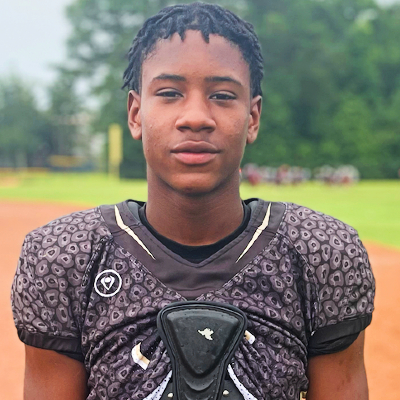
Miami’s reported early lead for 2028 running back Terriel Harmon should be treated as an opportunity to build a pipeline, not permission to coast. The rankings and offer list will change during the next two seasons. A local back who already views Miami favorably gives the Hurricanes time to prove exactly how they develop and use the position.
Miami held the early advantage for Harmon after his conversations with the staff, according to CaneSport. Harmon is a West Boca Raton running back in the 2028 class, a profile that places him close enough for repeated campus contact while his recruitment grows. Early positioning matters most when a staff converts proximity into a real relationship.
The Hurricanes should avoid making this recruitment only about keeping a South Florida player home. Geography is an advantage, not a development plan. Running backs need to understand the blocking scheme, third-down expectations, workload philosophy and path to carries. Miami can show Harmon how a physical run game creates value, then explain where his own traits fit rather than asking him to inherit someone else’s role.
Harmon’s public profiles show a back whose story is still being written. The 247Sports profile lists him at West Boca Raton, while his earlier MaxPreps record follows time at Centennial and Port St. Lucie. Transfers and changing roles can make a young player’s raw totals look uneven. Miami’s evaluation should focus on movement, vision, receiving ability and growth instead of chasing a single sophomore stat line.
His 2024 MaxPreps log includes a 202-yard performance on 25 carries against South Fork, along with 119 yards on 15 attempts against Frostproof, according to the published game record. Those flashes show he has handled real volume. The next question is whether improved competition and a new high school setting bring more consistent production.
Miami also needs to think beyond one class. Mark Fletcher Jr. and Jordan Lyle shape the current backfield, while future cycles will keep changing through recruiting and the portal. A dependable local pipeline reduces the need to solve every depth issue with an older transfer. It gives the staff players who learn the system early and can grow into larger roles.
Recruiting a 2028 back aggressively now does not mean promising immediate stardom. It means making the standards clear before other programs turn attention into pressure. Miami can bring Harmon to practices, let him study how backs are coached and show his family what strength development and academic support look like. Repetition makes a local advantage harder for national programs to erase.
The staff should also keep evaluating the entire board. Early leaders sometimes stop pushing because they fear upsetting a prospect, and early targets sometimes develop differently than projected. Honest competition protects both sides. Harmon should know Miami wants him for specific football reasons, not because the staff needs an easy local win.
Miami’s best recruiting runs have come when local access and national ambition reinforce each other. Harmon offers a chance to start that process at running back before the 2028 cycle becomes crowded. The lead is useful. The priority should be turning it into two years of detailed development recruiting that makes the final decision feel earned.
Comments