Ohio State’s record jersey-patch agreement did not give Miami a reason to rush. It gave the Hurricanes a price and brand benchmark. If Miami puts a sponsor on one of college sports’ most recognizable uniforms, the first deal should pay for the privilege without making the U look like leftover inventory.
Ohio State will place JPMorganChase branding on uniforms across 36 varsity sports in an agreement worth nearly $17 million per year, according to USA TODAY. The number reflects more than the size of a small patch. It prices national television exposure, donor attention, merchandise visibility and the emotional connection fans have with a uniform.
Miami cannot demand Ohio State’s exact number simply because both brands have championship history. Ohio State serves a larger alumni base, operates more varsity programs and brings a different weekly audience. The Buckeyes’ deal still proves that elite college marks should not enter this market cheaply. A partner is buying access to tradition that the school spent decades building.
The value exceeds $15 million annually and more than doubles some of the highest existing college patch agreements, according to Mike Florio of NBC Sports. Miami should use that separation to avoid accepting the first respectable offer. Scarcity creates leverage only when the athletic department acts like the space is scarce.
Brand fit should rank beside money. A financial institution, South Florida company, airline, health system or technology partner can make sense if the relationship extends beyond a logo. The strongest agreement would include athlete opportunities, internships, community investment and content that feels connected to Miami. A random national advertiser offering the highest short-term check could create more visual clutter than lasting value.
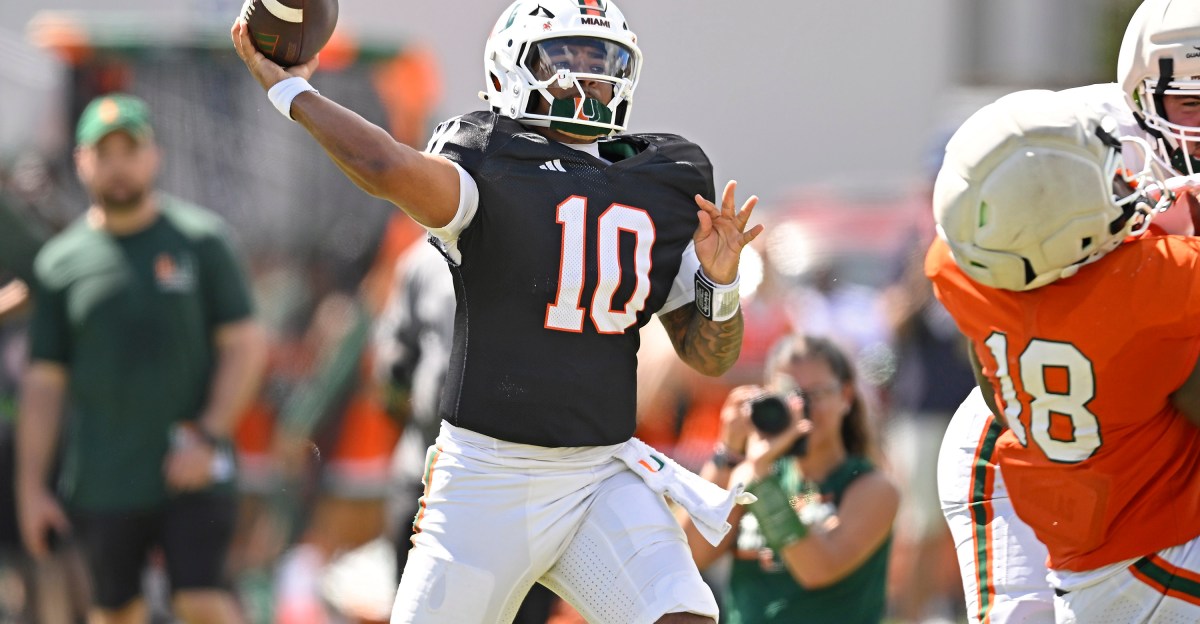
Uniform restraint matters at Miami because the U already does so much work. The helmet, orange and green palette and simple block lettering are instantly identifiable. A patch should be small, color-conscious and consistent across sports without fighting Adidas marks or conference branding. Fans will tolerate commercialization more easily when the sponsor looks like a guest instead of a redesign.
Miami also has an apparel negotiation approaching. The university’s 12-year Adidas agreement runs through June 2027, according to the original partnership announcement. Patch talks and apparel talks are separate, yet the timing creates a chance to define how every commercial mark fits together. Miami should know what its next uniform system looks like before locking a new sponsor into prominent space.
The revenue can fund coaching, travel, facilities and athlete services at a moment when departments need every sustainable dollar. Refusing patches on principle would leave real money unused while competitors collect it. Accepting a weak deal would create the opposite problem: Miami would commercialize the jersey without receiving enough value to justify the change.
Ohio State showed what an aggressive market can produce. Miami’s job is not to copy the Buckeyes’ logo placement or pretend the two departments are identical. The Hurricanes should use the deal as evidence that premium brands can demand premium terms, then choose a partner whose money, design and South Florida connection earn a place next to the U.
Comments